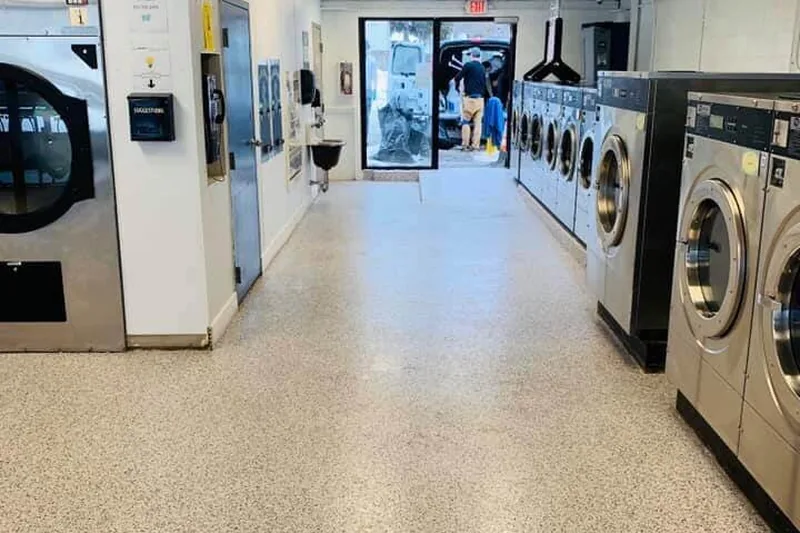
A commercial floor in metro Atlanta earns its keep against three things at once: the season that doubles your foot traffic through the winter months, the road brine tracked in off the street, and a concrete slab poured straight onto the slab moisture. Get the coating right and it carries you through all three. Get it wrong, and it lifts off the slab before the next rental season starts.
metro Atlanta does not run a typical commercial calendar. A Decatur Square restaurant that seats forty in August is turning tables until midnight by January. A Decatur shop closes for ice freeze-thaw season and reopens to a crush of visitors. A Peachtree Corners medical practice books out months ahead because the population it serves keeps growing. The floors under all of that have to survive the swing, the chemicals, the cleaning, and a metro Atlanta climate that punishes anything cheap. This guide is built around the businesses that actually fill metro Atlanta's bay buildings and storefronts, what each one needs from a floor, what it costs here, and how the work gets done without shutting you down through your busiest months.
At Precision Epoxy Atlanta, commercial coatings are bread-and-butter work, from storefront and hospitality floors to heavy distribution and fabrication systems in the bay parks off Metro and Pondella. Rather read about your own space over the phone? Call (404) 974-2647 and Blake's crew will walk it with you and put a real number on it, free.
Why metro Atlanta Businesses Choose Epoxy
Walk into any older metro Atlanta storefront and you will find the same story under the rugs: cracked tile with grout gone black, sealed concrete dusting at the door, or sheet vinyl curling where the salt damp got under it. A coated floor exists to end that cycle. Here is what it actually buys a business operating in this corner of the state.
- It holds through the season swing. A floor that idles all summer and then takes a January-through-April pounding needs a wear layer that does not care about the volume. A poured system keeps its surface through peak season instead of pitting and spalling the way bare concrete does once the carts and crowds arrive.
- No seam for the damp to get into. With no grout lines or sheet-goods seams, there is nowhere for the constant humidity, spilled product, or kitchen grease to soak in and breed mold or bacteria. For a metro Atlanta building that sits closed and shuttered through freeze-thaw season, that sealed surface is what lets it reopen clean instead of musty.
- Chemical and traction control where it matters. The topcoat shrugs off the bleach, degreasers, brake fluid, and food acids that etch raw slab, and a broadcast aggregate or quartz texture sets a defined slip rating so a wet boat-rinse bay, a kitchen line, or a clinic corridor stays walkable when it is wet.
- It brightens a dim bay. A high-build coating bounces overhead light around a warehouse or showroom, which lifts the whole room and often lets a building run on less fixture wattage to stay safe.
- Lowest cost over the years it lasts. When the topcoat finally dulls, it usually gets recoated rather than torn out. Set against the repeated re-tile, reseal, or re-vinyl bills a metro Atlanta building racks up fighting the climate, a properly installed coating is the cheapest floor a commercial space will own over its life.
Commercial Epoxy by Industry
The right floor starts with the work it has to survive, so it makes sense to go business by business. Below are the commercial spaces Blake's crew coats most often around metro Atlanta, and the system each one tends to land on.
Restaurants, Bars & Seasonal Kitchens
Hospitality is the heartbeat of the Atlanta and Sandy Springs economy, and the kitchen floor behind it is the hardest-working surface in any building. It takes thermal shock from boiling stockpots and steam cleaning, standing grease and citrus acids, and a hard health-code line on a non-slip, sanitary finish. Urethane cement is the answer here because it tolerates the heat and chemistry that crack a standard epoxy, and a quartz broadcast gives the cook line the traction a wet floor needs. Coved integral bases close off the floor-to-wall seam an inspector looks for first. For a seasonal spot, the bonus is that the whole kitchen can be recoated during a planned summer closure and be ready before the rentals land.
Marine, Boat & Powersports Service
This is genuinely metro Atlanta work. Rinse bays, rigging shops, and dealership service floors along the river and the creeks see constant fresh and standing water, fuel, two-stroke oil, gel-coat resins, and trailer tires dragging grit across the slab. The floor has to drain and dry fast, resist that chemical cocktail without staining, and hold a high-grip texture so a wet bay never becomes a fall. A chemical-resistant flake or solid-color epoxy with an aggressive aggregate topcoat is the standard, and around the wash-down zones it pays to step up to urethane cement that does not mind being wet for hours at a stretch.
Retail, Showrooms & Storefronts
From the shops on Canton Street in Roswell to the strip retail filling Peachtree Corners and south Cape, a storefront floor is part of the brand the moment a customer walks in. It needs to read polished, take season-peak foot traffic and rolling carts, and stay easy to clean without closing the store for days. A decorative flake or metallic system delivers the look, hides the scuffs that pile up between refreshes, and pairs with a fast-cure topcoat so the doors reopen quickly. The same finish that sells the space also bounces light around and makes a small footprint feel larger.
Distribution, Bay Parks & Contractor Shops
The light-industrial parks off Fulton Industrial Boulevard, Pondella, and out toward Marietta are full of distribution floors and trade-contractor bays that take point loading from forklifts, pallet jacks, and racking, plus abrasion from steel wheels and dropped freight. The priorities are impact and abrasion resistance, clear traffic-lane and safety striping, and dust control so the slab stops shedding powder onto stock. A high-build flake or solid-color epoxy under a tough polyurethane or polyaspartic topcoat handles most of these floors; the heavy loading zones step up to a thicker mortar-grade build.
Medical, Dental & Clinical
metro Atlanta's population skews older and keeps growing, which means clinics, dental suites, dialysis centers, and labs are going up across the metro. Those floors demand the top hygiene standard: a seamless, non-porous surface that takes repeated disinfection, resists staining from medical chemicals, and holds reliable traction. Quartz-broadcast systems with coved bases are the workhorse, and where imaging or sensitive electronics live, an ESD or anti-static floor is specified to bleed off charge safely. Every transition and joint is sealed so contamination has nowhere to gather.
Choosing the Right System
Once the demands of the space are clear, the coating mostly chooses itself. Here is the quick map from system to where it pulls its weight on a metro Atlanta job.
| System | Key Strength | Where It Lands in metro Atlanta |
|---|---|---|
| Solid-color epoxy | Economical, uniform, easy to clean | Back-of-house, storage, light-traffic bays |
| Flake / broadcast | Durable, hides wear, added grip | Storefronts, showrooms, service bays |
| Quartz | Maximum durability and slip resistance | Kitchens, clinics, wash-down areas |
| Urethane cement | Thermal-shock and chemical resistance | Seasonal kitchens and marine rinse bays |
| ESD / anti-static | Controls static charge | Imaging suites and electronics rooms |
Most metro Atlanta jobs settle on one of these five, and plenty blend two: a quartz field with an ESD primer under the imaging gear, or a decorative flake floor with a urethane-cement zone walled off for the wash bay. Which combination is right gets decided on the walkthrough, against your real slab and the way your space actually runs through the season.
Not Sure Which System Fits Your Facility?
Tell us about your space and how it gets used. We will recommend the right commercial system and give you a real number, free.
The metro Atlanta Factor
Three things shape every commercial spec in metro Atlanta that an inland installer never has to think about. Ignore any one of them and even a premium coating can let go inside a year or two.
The slab moisture. metro Atlanta slabs sit just a few feet above groundwater, and a large share of commercial concrete here pushes enough vapor up through the slab to lift a coating off from underneath. On a lot of these floors moisture mitigation is not a nice-to-have, it is the job. Blake's crew tests the slab before a number ever gets quoted, and when the reading runs hot, a moisture-mitigation primer goes into the system as a real line item. This is the single biggest reason commercial floors fail in this region and also the easiest to head off. The full breakdown is in our guide on why floors fail here.
The road brine. A building near the river, out toward Decatur, or anywhere a delivery bay opens to the street takes winter road brine that works at a coating's edges and exposed surfaces year after year. Add humid subtropical sun on any floor that sees daylight through open bay doors and the recommendation moves toward thicker, UV-stable, chemically resistant builds finished with a polyaspartic or polyurea topcoat. The closer you are to the water and the more your doors stay open, the more the spec reflects it.
The freeze-thaw season. This is the one unique to Georgia. Through December to March a commercial floor may sit closed and humid for days, or worse, take standing water if a building floods. A sealed, non-porous coating with coved bases gives you a surface that can be pumped, squeegeed, and disinfected and put right back into service, instead of a tile or vinyl floor that traps the damp and has to be torn out. After the last few seasons in metro Atlanta, plenty of owners now spec the floor with reopening day in mind, not just opening day.
Cost & What Drives It
Commercial coatings in metro Atlanta generally land between $3 and $7 per square foot installed, set by the system and the size of the floor. A big open distribution slab spreads fixed mobilization and prep across more area, so the per-foot price falls as the square footage climbs, while the specialty builds, urethane cement, quartz, and ESD, sit at the top of the range. Commercial scope swings too widely for a phone quote to mean anything, so an honest number comes off a walkthrough.
Five things move a metro Atlanta commercial quote more than anything else:
- The system. A solid-color storage bay and an ESD-rated imaging suite are not in the same tier. The performance the work demands sets the baseline.
- What the slab is hiding. Cracks, spalling, old failing coatings, and oil or fuel that has soaked into a service-bay floor all add grinding and prep before anything new goes down.
- Moisture mitigation. On these untested clay-bedded slabs the test reading often comes back hot, and the mitigation primer that follows is a genuine line item, not an upsell.
- Working around your season. Night, weekend, and phased work that keeps you trading through peak months costs more than coating an empty building, but it protects the revenue those months bring in.
- Square footage and layout. A big rectangular bay is cheap per foot; a small storefront cut up with coves, drains, and equipment is not.
If you want the residential and finish-by-finish ranges as a companion reference, see the cost guide.
Minimizing Downtime
The real question behind almost every commercial floor is the same: how long am I shut down? In a seasonal economy that question has teeth, because a week dark in February is a week of peak revenue gone. The good news is that modern coatings and smart scheduling make a long closure mostly avoidable.
Fast-cure polyaspartic and polyurea chemistries do the heavy lifting. Where a traditional epoxy might want days to fully cure, these return a floor to light service in as little as 24 hours, and they set reliably even in metro Atlanta's heat and humidity, which is exactly the climate that stalls a slow-curing system. That alone turns most projects from a week-long closure into a long weekend.
Timing does the rest. The smart play in metro Atlanta is the off-season itself: a restaurant recoats its kitchen during a planned summer closure, a seasonal storefront resurfaces before the November turnaround, and the floor is hard and ready before the rentals arrive. Where a space is too large to do at once, the work is sectioned so only one zone is offline while the rest keeps running, a bay park can keep half its racking active, a store can go aisle by aisle overnight, and a marine shop can take its rinse bays one at a time. Blake's crew maps that sequence around your hours and your season on the walkthrough, so the plan fits the business instead of the other way around.
Frequently Asked Questions
How much does commercial epoxy flooring cost in metro Atlanta?
Most commercial floors in metro Atlanta land between $3 and $7 per square foot installed, set by the system and the size of the space. A large open distribution slab costs less per foot because fixed prep and mobilization spread across more area, while specialty builds like urethane cement, quartz, and ESD flooring sit at the top. Commercial scope varies too much for a phone price, so an accurate number comes off a walkthrough that checks the slab and tests it for moisture.
What is the best floor for a Atlanta restaurant kitchen?
For a Atlanta or Sandy Springs kitchen, urethane cement or a quartz-broadcast system is the right call. Both take the thermal shock of boiling water and steam cleaning, shrug off the grease and citrus acids common in metro Atlanta kitchens, and carry the slip rating a wet cook line needs to pass inspection. Coved integral bases close the floor-to-wall seam an inspector checks first. For a seasonal spot, the kitchen can be recoated during a planned summer closure and be ready before peak season returns.
How long does a commercial epoxy floor last in metro Atlanta?
A professionally installed commercial floor in metro Atlanta typically runs 5 to 10 years under heavy traffic before it needs a refresh, and the topcoat can usually be re-applied rather than torn out. Lifespan depends on the system, the traffic load, and whether the slab was properly prepped and moisture-tested for our clay-held slab moisture. In metro Atlanta buildings, road brine and freeze-thaw exposure make that upfront prep matter even more.
Can you coat my floor without closing through the season?
Usually, yes. Fast-cure polyaspartic and polyurea systems return a floor to service in as little as 24 hours, and the work can be phased so only one zone is offline at a time. The smart move in metro Atlanta is to schedule around the off-season, recoating during a summer slowdown or before the November turnaround, with after-hours and weekend work where needed so a storefront, bay park, or marine shop keeps trading. The sequence gets mapped to your hours on the walkthrough.
Is urethane cement better than epoxy for kitchens and wash bays?
For a commercial kitchen or a marine rinse bay, urethane cement is usually the better choice. It tolerates the thermal shock of boiling water and steam cleaning that can crack a standard epoxy, and it does not mind being wet for hours while resisting the acids, fuels, and solvents common in food service and boat work. Standard epoxy is excellent for storefronts, showrooms, and distribution bays, but wet and high-heat zones are where urethane cement earns its premium.
Do metro Atlanta slabs really need moisture mitigation?
Often, yes. metro Atlanta slabs sit just a few feet above the slab moisture, so a large share of commercial concrete here pushes enough vapor up through the slab to lift a coating off from underneath. Blake's crew tests the slab before quoting, and when the reading runs above the safe threshold, a moisture-mitigation primer goes into the system. It is the single most important step for a commercial floor that actually lasts on the metro Atlanta.
Get Your Personalized metro Atlanta Commercial Quote
The systems and the reasoning are all here, but the only way to put a real number on your facility is to get the slab looked at in person. At Precision Epoxy Atlanta, every commercial estimate starts with Blake's crew putting eyes and a moisture meter on your concrete, then an honest conversation about which build fits your industry, your traffic, your traffic and wash-down exposure, and the season you cannot afford to be closed. No pressure, no bait-and-switch, just a clear plan and a floor engineered for metro Atlanta.
Ready to start? Call (404) 974-2647 or request a free quote online. We coat commercial floors across Sandy Springs, Brookhaven, Suwanee, Dunwoody, Johns Creek, Alpharetta, Peachtree Corners, Roswell, Decatur, Marietta, and the surrounding communities throughout metro Atlanta.
Related Articles

How Much Does Epoxy Flooring Cost in metro Atlanta? (2026 Guide)
Real prices by finish and a typical 2-car garage total.
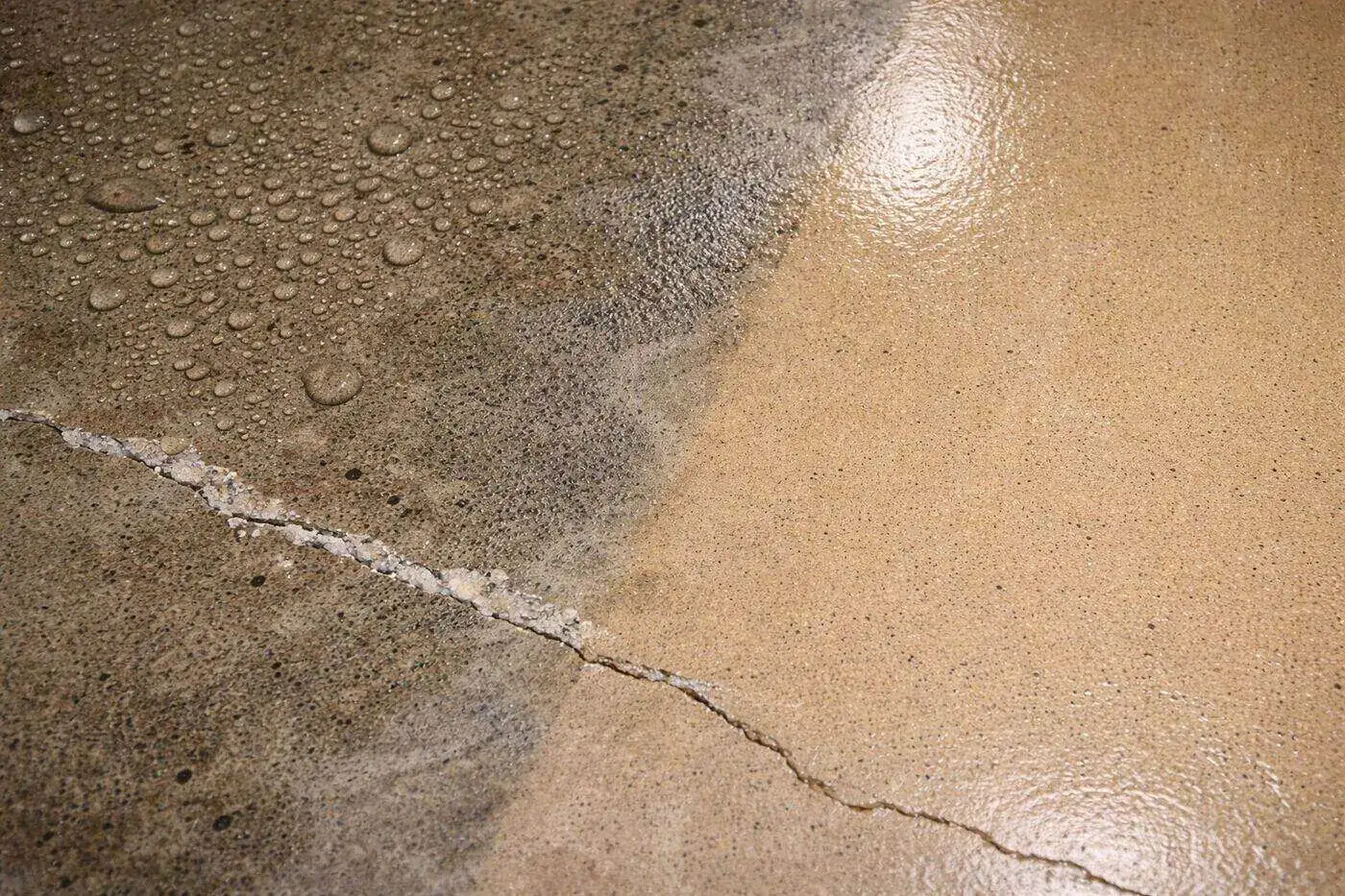
Why Epoxy Floors Fail in metro Atlanta — and the Moisture Test That Prevents It
The clay-held slab moisture, MVT testing, and what to ask before you sign.
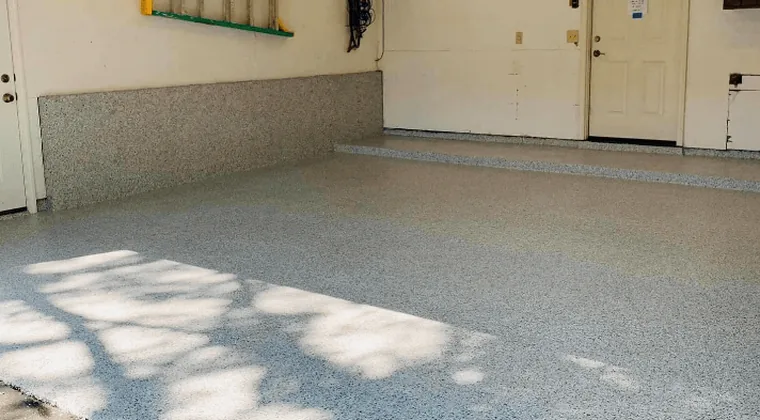
How Long Does an Epoxy Floor Last in metro Atlanta?
Realistic lifespans and what shortens them in metro Atlanta.